Empowering Cancer Patients: Navigating Treatment Options and Support
Navigating the journey of cancer diagnosis can feel like wandering through a dark forest with no clear path in sight. With the myriad of treatment options available, such as immunotherapy, chemotherapy, and radiation therapy, it's crucial for patients and their families to stay informed about the latest advances in cancer treatments. But how do you differentiate between the noise and the medical information that can genuinely make a difference? In this blog, we will explore the innovations in oncology, as well as how patient support plays a vital role in the journey toward recovery.
The landscape of cancer treatment is ever-evolving, marked by the rise of immunotherapy that uses the body's own immune system to target tumors. Exciting clinical trials are pushing the boundaries of what's possible, giving rise to new hope for patients diagnosed with various types of malignancy, including carcinoma. Have you ever thought about what it would be like to join a clinical trial? The opportunity to be a part of groundbreaking research not only contributes to your health but also helps to advance the field of cancer research for future generations, providing insights that might pave the way for more effective treatments.
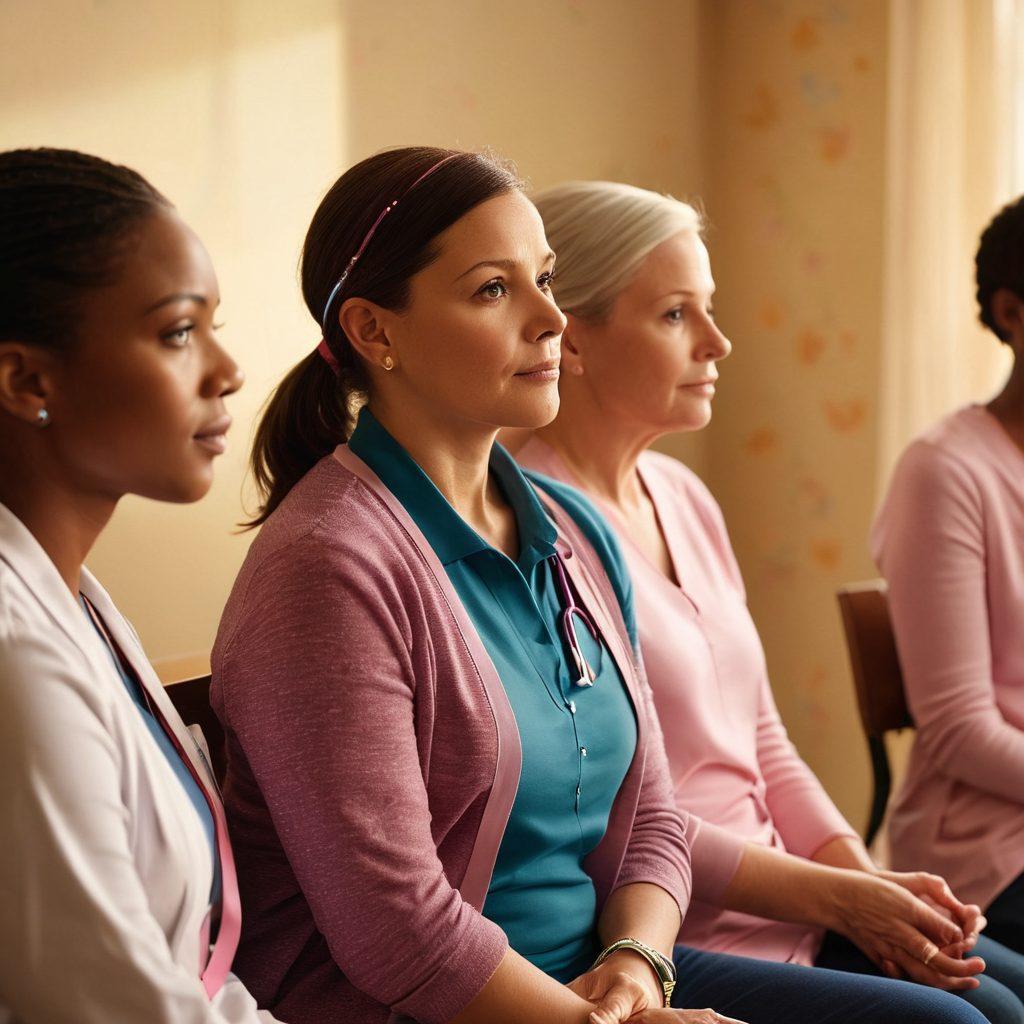
But treatment isn’t just about the physical; the impact of cancer on mental health cannot be overstated. Support groups become a lifeline for many cancer survivors, offering shared experiences and understanding while tackling the delicate aspects of emotional wellbeing. As you begin to navigate this challenging chapter, consider the value of mental health support. Have you reached out to a local support group or an online community? Engaging with others who comprehend your struggles creates a nurturing environment conducive to healing, where the exchange of uplifting stories and encouragement can deeply influence your mindset and resilience.
Furthermore, empowering cancer patients goes beyond treatments and emotions—it's about the holistic approach towards health, including lifestyle changes that can lead to better outcomes. Improving nutrition and cancer rehabilitation plays a pivotal role in symptom management and preventative care. Did you know that certain dietary choices may help reduce the risk factors associated with cancer recurrence? Simple yet profound changes in diet could vastly improve your quality of life. It's important to remember: every healthy choice is a step forward on the road to recovery, and sharing such insights through health blogs can greatly enhance disease awareness.
In conclusion, the journey through cancer requires determination, information, and support. Whether you are a patient, caregiver, or advocate, stay informed about the latest research and tailored treatment options available, engage with your support communities, and remember to prioritize mental health alongside physical treatment modalities. After all, together, we can advocate for awareness and advancements in cancer treatment, wrapping each patient in a blanket of understanding that assures them they are not alone in this fight. What steps can you take today to empower yourself or someone you love on their cancer journey?
A Comprehensive Guide to Empowering Your Cancer Journey: From Prevention to Recovery
Embarking on a cancer journey can feel akin to standing at the foot of a towering mountain, an overwhelming and daunting ascent ahead. Yet, this trek isn't just about battling a malignancy; it calls for empowerment, informed choices, and a community of voices echoing support. This comprehensive guide aims to illuminate your path from prevention to recovery, making the weighty world of oncology and cancer treatment lighter and more navigable.
Imagine finding yourself in a doctor’s office, discussing a freshly diagnosed carcinoma. Questions whir through your mind: What does this mean for my health? What are the chances of recovery? How do I manage my daily life amidst screenings and treatment plans? It's essential to remember that knowledge is power. By utilizing reliable medical information and engaging with health blogs, you can uncover critical details regarding your condition, from tumor characteristics to the latest in cancer research. This awareness not only equips you to make informed decisions but also arms you in conversations about treatment options like immunotherapy, chemotherapy, or radiation therapy.
But awareness isn’t the only ally on this journey. Picture this: a comfortable support group where stories are shared, laughter is exchanged, and tears are met with understanding nods. Integrating mental health support into your cancer care is not just beneficial; it’s vital. It’s not uncommon for cancer patients to experience anxiety, depression, or even loneliness during their treatment processes. Engaging in patient advocacy and attending support groups not only normalizes these feelings but fosters a community that underscores the importance of emotional health while managing symptoms, coping with changes, and processing grief.
Early detection can make a significant difference, often transforming the landscape of cancer statistics. Screening tests save lives by identifying potential issues before symptoms emerge. But let’s also talk about preventative care—lifestyle changes in diet, exercise, and risk factors can empower you to lower your chances of developing cancer. Embracing nutrition and cancer goes beyond simply eating ‘healthy’; it’s about nourishing your body with foods that combat fatigue and bolster your immune system. Don’t hesitate to explore alternative treatment methods alongside traditional therapies, as they might offer you support when navigating the complex landscape of recovery options.
Finally, consider the significant impact of clinical trials on the future of cancer treatment. These trials are not just pathways for new therapies; they're an opportunity for patient education and involvement in how we can better address the challenges of cancer. Cancer survivors often share sage advice about staying hopeful, advocating for yourself and others, and prioritizing both your physical and mental health. Your cancer journey doesn’t end with recovery; it's a continual odyssey of awareness and involvement. Every step taken, whether it be practicing palliative care or creating a new lifestyle routine, is a chance to empower not only your story but also the stories of those who come after you.
Navigating the Complex World of Oncology: Support, Education, and Advocacy for Patients
Navigating the complex world of oncology can feel like a daunting journey, especially when faced with the overwhelming diagnosis of cancer. Imagine standing at the crossroads of treatment options, with each path laden with uncertainty. Will you choose chemotherapy, radiation therapy, or perhaps explore immunotherapy? For many, this pivotal moment is not just a medical decision; it’s a deeply emotional experience. Addressing this critical need, patient advocacy plays a vital role in empowering cancer patients to take control of their treatment journey and navigate the stormy waters of malignancies like carcinoma and tumors. Remember, knowledge is power, and we must harness it to light the way forward.
One of the first steps in navigating cancer treatment is understanding the available options. The world of oncology offers a broad range of treatments, each tailored to specific types of tumors and patient needs. Through patient education, we can demystify the process, starting with the basics—what to expect from chemotherapy, radiation therapy, or maybe even enrolling in clinical trials that are testing promising new therapies. Questions like, "What are the potential side effects?" or "How will this affect my daily life?" are crucial, and it's important that patients feel comfortable discussing them with their healthcare team. Engaging health blogs and resources provide invaluable medical information that can guide patients in making informed decisions about their cancer treatment.
The emotional aspect of a cancer diagnosis cannot be overlooked. Navigating such a complex landscape can lead to heightened stress and anxiety. This is where mental health support becomes paramount. Just as we consider physical treatment, we must prioritize nurturance of the mind and spirit. Support groups serve as a powerful reminder that no one is alone in their fight against cancer. Sharing stories of hope, resilience, and survival can ignite a much-needed sense of community among cancer survivors. This community becomes not just a support network, but a source of strength that fosters empowerment and advocacy within the oncology landscape.
Prevention is always better than treatment, or so they say! One critical approach to disease awareness is the emphasis on early detection through screening tests. Incorporating preventative care into our lives can significantly reduce the risk of developing certain types of cancer. This can include lifestyle changes and nutrition strategies aimed at reducing risk factors associated with various malignancies. Have you considered how your diet might impact your cancer risk? Little adjustments today can pave the way for healthier tomorrows, and understanding these links can empower individuals to take charge of their health long before there is a diagnosis.
Finally, advocacy and awareness cannot be overstated in the context of navigating oncology. Engaging in conversations around cancer research and treatment options can spark a movement. By sharing personal experiences and leveraging social platforms, patients can advocate for themselves and others, amplifying the voices that matter most in the fight against cancer. Every statistic tells a story – whether it’s about survival rates or the latest advancements in cancer treatment, sharing that insight can foster a deeper understanding of the challenges many face—and the hope that exists for a future free from the burden of cancer. So let’s blaze a trail together, illuminating the path for all those courageously walking through this journey.